Power going out after a nor’easter or hurricane is a fact of life in coastal Virginia. If you live in Lago Mar, keeping lights, refrigeration, and HVAC running can make all the difference. A whole‑home generator gives you seamless backup, but choosing the right unit for our coastal setting takes a bit of planning. In this guide, you’ll learn how to pick the best fuel, size your system, handle permits and placement, and protect your investment from salt and flooding. Let’s dive in.
Why backup power matters in Lago Mar
Virginia sees many weather‑related outages, and coastal neighborhoods feel it most. Recent analysis shows the vast majority of major outages in Virginia are tied to storms and severe weather, which makes backup power a smart resilience upgrade.
Lago Mar sits near Back Bay and low‑lying areas, so floodplain rules can affect where and how you install a generator. Before you plan, check your property’s flood designation and requirements on the City of Virginia Beach floodplain management page. The city can provide written flood‑zone determinations and guidance on elevation.
Standby vs. portable: What’s the difference?
- Standby generators are permanently installed, connect to your home through an automatic transfer switch, and start within seconds when power fails. They can power your whole home if sized correctly.
- Portable generators cost less but require manual setup and cannot power every circuit. They must be used outdoors and are best for a few essential loads.
If you want seamless, whole‑house coverage, a standby system is the right fit.
Fuel choices for coastal Virginia Beach
Your fuel strategy should balance reliability, cost, and logistics after a storm.
- Natural gas: Convenient and low maintenance when the utility network stays up. In large disasters, gas service can be interrupted, so it is only as reliable as the utility. See pros and cons in this overview of natural gas and diesel standby options.
- Propane (LP): Stored on site with long shelf life, runs cleaner and quieter than diesel, and provides independence from the utility. You will need space for a code‑compliant tank and refilling plan after storms.
- Diesel: Excellent for long run times and heavy loads, with on‑site storage. It is louder and needs careful fuel management and spill protections. The same fuel comparison highlights key tradeoffs.
Tip: If you need extended off‑grid resilience, plan on‑site fuel capacity and refueling logistics before hurricane season.
Size it right for your home
Whole‑home sizing must cover both continuous loads and appliance startup surges. Many suburban homes that run central AC, refrigeration, lighting, and typical plugs land around 20 to 24 kW, sometimes higher. The correct size depends on a professional load calculation and a safety margin. You can preview needs with a home generator sizing calculator, then have a licensed electrician confirm.
Placement, permits, and safety in Virginia Beach
- Permits and inspections: Expect electrical permits for the transfer switch and wiring, plus plumbing or mechanical permits for fuel lines or tanks. A licensed contractor typically handles this. Here is a good primer on what permits are involved in a whole‑home generator install](https://www.sescos.com/need-permit-whole-home-generator-installation/).
- Call 811 before digging: Any trenching for conduit, gas, or propane requires utility locates. The City outlines the rule here: Before You Dig, call VA811.
- Floodplain siting: If your parcel is in a Special Flood Hazard Area, the city may require elevating equipment above base flood elevation and securing the pad. Confirm requirements with the floodplain management office.
- Safety clearances: Follow manufacturer and code clearances so exhaust cannot enter the home. Install carbon monoxide alarms on every level. Review FEMA and safety guidance for safe generator use and CO precautions.
- Noise and neighborhood rules: Check your HOA or civic guidelines for equipment placement, screening, and sound. Ask installers for dBA ratings at the property line and options to reduce impact.
What it costs and how long it takes
Installed costs vary by size, fuel, pad and trenching needs, and permit scope. National guides place many whole‑house systems in the 6,000 to 15,000 dollars range, with larger or complex installs exceeding 18,000 dollars. See typical ranges summarized in this generator cost guide.
Timeline depends on permits, fuel coordination, and scheduling. From contract to final inspection, plan on several weeks to a few months. Ordering ahead of storm season helps.
Coastal durability and maintenance
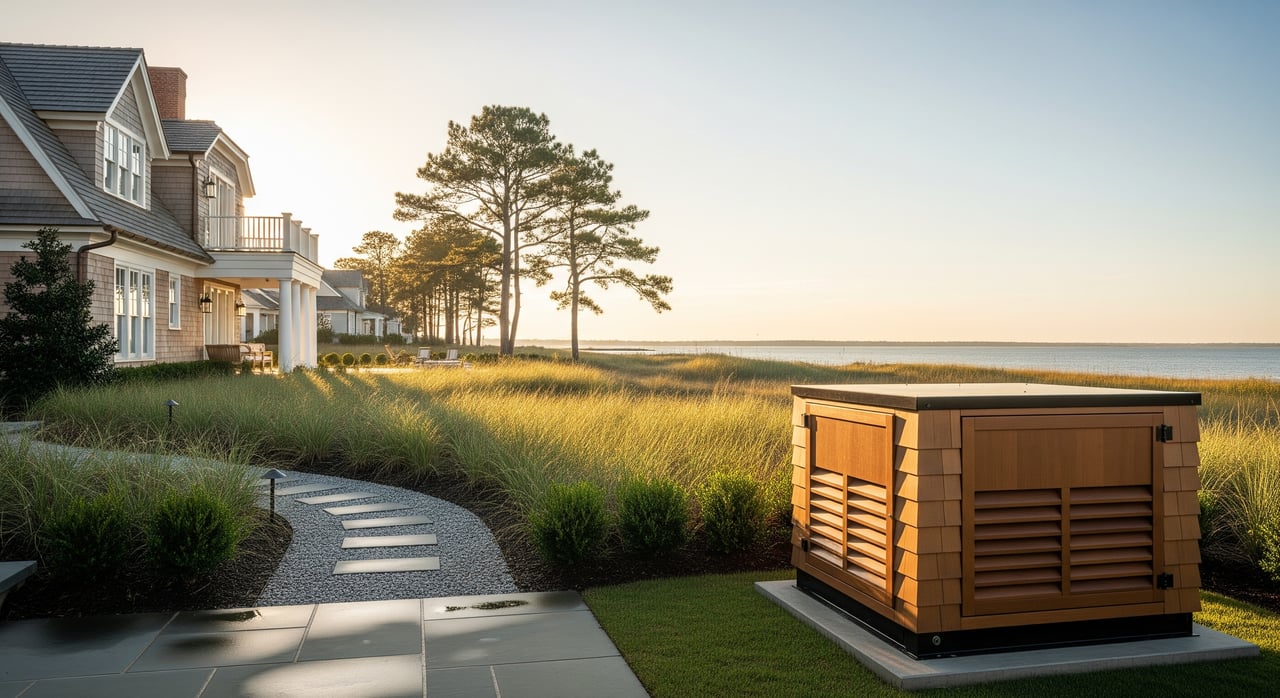
Salt air, wind, and humidity can accelerate corrosion on outdoor equipment. In Lago Mar, choose coastal‑rated cabinets or protective coatings and use stainless or coated fasteners. This coastal care guide explains why added protection and inspections matter near saltwater: maintaining generators in coastal environments.
Plan for annual professional service with oil and filter changes, battery checks, and load testing. Very close to open water, schedule more frequent surface inspections to catch salt‑related wear early.
A simple Lago Mar checklist
- Define your goals: full‑house automatic backup or essential circuits only.
- List mission‑critical loads like HVAC, refrigerators, medical devices, well or sump pumps.
- Check your flood zone and elevation requirements with the City of Virginia Beach.
- Review HOA or architectural rules for placement, screening, and noise.
- Choose a fuel strategy that fits your resilience needs and site.
- Get at least three quotes from licensed installers, including load calc, pad, fuel line, permits, and predicted noise at the lot line.
- Call 811 before any digging and confirm your contractor will schedule all inspections.
- Set a maintenance plan and test schedule, and plan tank refills before storm season if using propane or diesel.
Ready to protect your Lago Mar home?
A properly selected and sited standby generator can keep your coastal home comfortable and protected through outages. If you are planning a sale or purchase, we can help you weigh smart resilience upgrades that support your goals and market appeal in Lago Mar. Reach out to 4 Oceans Real Estate Group LLC for local guidance.
FAQs
What should Lago Mar homeowners consider first when choosing a generator?
- Start with your goals and must‑have circuits, then verify flood status and HOA rules. From there, select fuel and get a professional load calculation to size the unit correctly.
What size generator do I need to run central AC in Virginia Beach?
- Many homes that run central AC and typical household loads land around 20 to 24 kW, but a licensed electrician should perform a load calculation and include a safety margin.
How should I place a generator if my Lago Mar property is in a flood zone?
- Follow city floodplain rules, which may require elevating equipment above base flood elevation and anchoring the pad, and maintain clear exhaust paths away from doors and windows.
How much does a whole‑home generator typically cost in our area?
- National guides show many installs between 6,000 and 15,000 dollars, with larger systems exceeding 18,000 dollars, and local quotes vary by site complexity and fuel setup.
How do I reduce noise impact for neighbors in Lago Mar?
- Choose a quiet, properly sized unit, confirm dBA at the lot line, and use strategic placement, code‑approved enclosures, and landscaping for sound screening where allowed by HOA rules.