Thinking about a Yorktown waterfront home or preparing to list one? The bulkhead along your shoreline can be a quiet hero that protects your yard and dock, or a hidden risk that affects value, access, and future costs. If you understand what you are looking at, you can plan repairs, negotiate with confidence, and protect your investment. In this guide, you will learn how bulkheads work on the York River and local creeks, how long different materials last, what to inspect, how permits work in Virginia, and how to budget for upkeep or replacement. Let’s dive in.
Bulkheads 101 in Yorktown
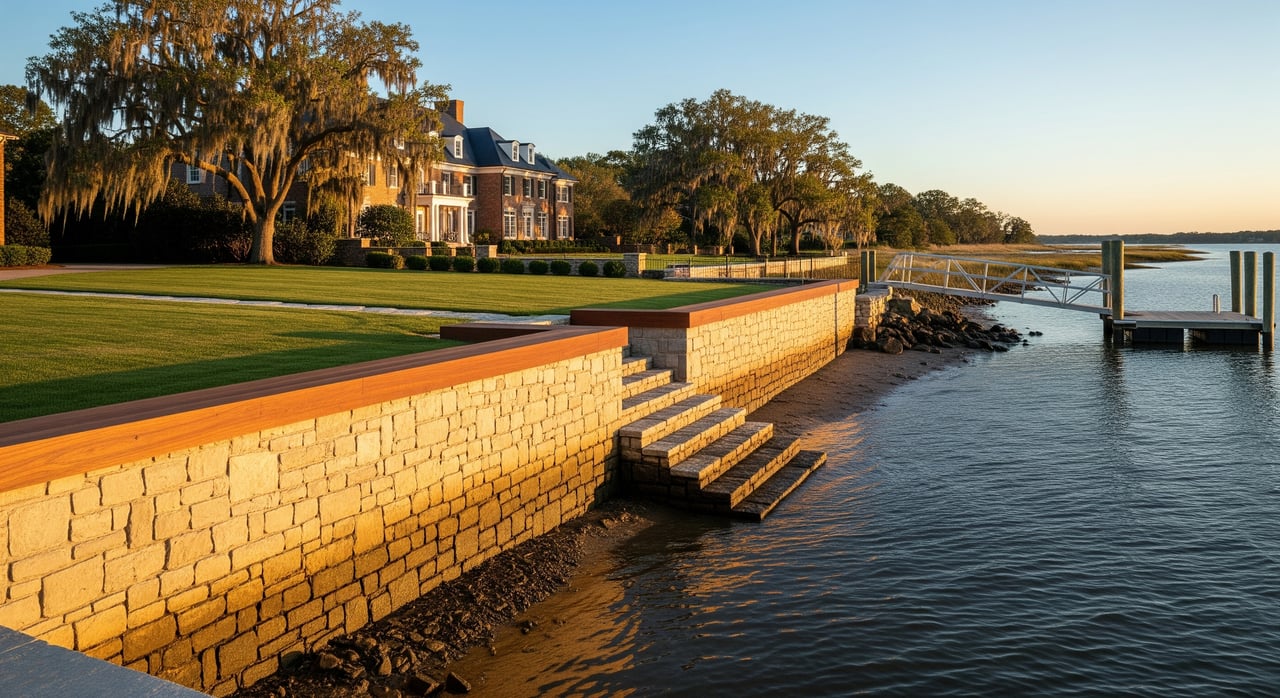
A bulkhead is a near-vertical wall along the shoreline that holds back soil, reduces erosion, and creates a stable edge for docks and yards. You may also hear the terms seawall or bulkhead wall. In Yorktown, owners install bulkheads to protect backyards, utilities, and waterfront access from tidal erosion and storm surge.
Bulkheads are different from riprap, which uses sloped rock, and from living shorelines, which use sand, vegetation, and natural materials. On the York River and tributaries like Wormley Creek, conditions include tides, wind waves, boat wakes, and brackish water, which can stress materials over time. Sea-level rise and stronger storms in the Chesapeake Bay region also influence durability and long-term costs.
How materials compare and how long they last
Actual lifespan depends on wave energy, exposure, installation quality, drainage, and maintenance. Use the ranges below as practical guidance.
How to inspect a bulkhead before you buy or list
A careful look can reveal early warning signs and save you from surprises. In Yorktown’s tidal setting, simple drainage and anchor issues can escalate if ignored.
Permits and rules in York County
In Virginia, tidal shoreline structures usually require permits. Planning early will save time and stress.
- Primary authority: The Virginia Marine Resources Commission (VMRC) is the main state agency for tidal shoreline permits. Many projects are coordinated with other agencies during this process.
- Other approvals: Some projects also involve the U.S. Army Corps of Engineers, the Virginia Department of Environmental Quality, or local wetlands boards if tidal marshes are affected.
- Local permits: York County may require land-disturbance or building permits for work on the landward side of mean high water or for heavy equipment access. Contact the county to confirm local steps.
- Environmental considerations: Regulators review potential impacts to tidal wetlands, submerged aquatic vegetation, shellfish beds, and water quality. Virginia encourages living shorelines where site conditions allow.
Practical steps for you:
- Start by confirming permit needs with VMRC and York County planning before any work.
- Consider a pre-application consultation with a licensed marine contractor or coastal engineer who knows York River conditions.
- Build permit time into your schedule. Simple projects can be quicker, while complex work with wetland impacts can take longer.
Budgeting for upkeep or replacement
Costs vary widely. Access, exposure, material choice, site constraints, and permitting can all shift the budget.
Cost components to include
- Initial assessment, from a homeowner-level review to a licensed engineer’s report.
- Permit application fees and any required mitigation or monitoring.
- Design and engineering for larger or engineered walls.
- Construction mobilization, including equipment access, marsh protection, or temporary cofferdams.
- Materials and installation by a qualified marine contractor.
- Toe protection and scour control, such as rock toe and filter fabric.
- Disposal of old materials like timber or concrete.
- Site restoration, backfilling, grading, plantings, and post-construction checks.
- Contingency for buried debris, unstable soils, or other unknowns.
Decision factors that affect your budget
- Short-term versus long-term costs. Timber may be cheaper to install but needs more frequent replacement. Steel or concrete can last longer with higher upfront cost.
- Site access. Limited road or water access can increase mobilization charges, which is common along creeks like Wormley Creek.
- Permitting and mitigation. Living shorelines may involve plantings and monitoring but can be more favorable with regulators and provide ecological benefits.
- Insurance and resale. A recently replaced, permitted bulkhead in good condition is a strong selling point. A failing wall can cut into value and slow a sale.
How to get reliable numbers
- Request three written bids from contractors with York River experience.
- Ask for itemized pricing that separates mobilization, materials, toe work, permits, disposal, and contingencies.
- Verify references and past local projects. Confirm familiarity with VMRC processes and proper bonding and insurance.
Buyer tips for Yorktown waterfront
If you are buying on the York River or a tributary, the shoreline is as important as the house.
- Ask for current photos of the bulkhead and any past permits, plans, or warranties.
- Hire a marine contractor or coastal engineer to estimate remaining life and likely near-term repairs.
- Consider feasibility of alternatives, such as a living shoreline, if the existing wall is failing.
- Understand that bulkheads are not generally treated as floodproofing for National Flood Insurance Program rating. Elevation of structures and FEMA flood mapping are the primary drivers of premiums. Speak with your insurance agent about specifics.
- Use expected repair or replacement timing to inform your offer and timeline.
Seller tips to protect value
Preparing early can help you sell faster and for a stronger price.
- Gather permits, contractor records, and photos that document installation or repairs.
- Clear weep holes, improve grading behind the wall, and remove debris so the shoreline looks cared for.
- If you see leaning, bulging, or undermining, bring in a professional and address safety first.
- Consider obtaining a pre-listing report from a marine contractor so buyers have confidence in the shoreline.
- Highlight compliant, recently upgraded shoreline work as a feature in your listing.
When a living shoreline may make sense
Not every site needs a vertical wall. In lower to moderate wave environments, a living shoreline can stabilize the bank, support habitat, and maintain a more natural waterfront. Design depends on slope, wave energy, and existing marsh areas.
If your current bulkhead is failing, a living shoreline may be an option instead of a like-for-like replacement. Regulators in Virginia encourage living shoreline approaches where conditions allow. A coastal engineer or experienced contractor can evaluate the site and outline the permit steps.
Local workflow before you buy or sell
A simple plan can help you avoid surprises and keep your timeline on track.
- Ask the owner for photos of the bulkhead and any permit or installation records.
- Schedule a professional bulkhead inspection by a marine contractor or coastal engineer.
- Check permit history and speak with York County about any local requirements.
- Obtain two to three contractor estimates, including an option for a living shoreline if suitable.
- Factor near-term costs and permit timing into your negotiation or listing strategy.
The bottom line for Yorktown shorelines
A healthy bulkhead protects your yard, dock, and home access. In Yorktown’s tidal setting, materials age differently, and small issues can become big ones without routine checks. When you understand the condition, expected lifespan, permit needs, and budget range, you can make confident decisions as a buyer or seller.
Ready to talk through your shoreline and selling strategy, or want a second set of eyes before you write an offer? Connect with the local waterfront specialists at 4 Oceans Real Estate Group LLC for guidance, referrals, and market insight. Get your instant home valuation and a shoreline game plan that fits your goals.
FAQs
What is a bulkhead on York River properties?
- A bulkhead is a near-vertical wall along the shoreline that holds back soil, reduces erosion, and creates a stable edge for yards and docks in tidal conditions.
How long do timber bulkheads typically last in Yorktown?
- Treated timber bulkheads often last about 10 to 25 years in tidal waters, with marine borers and exposure shortening lifespan in some locations.
Do I need a permit to repair or replace a bulkhead in Virginia?
- Most tidal shoreline repairs or replacements require permits, with the Virginia Marine Resources Commission as the primary state authority and possible local or federal coordination.
Can I replace a failing bulkhead with a living shoreline in York County?
- It may be possible, depending on wave energy, slope, and wetlands. Virginia encourages living shorelines where site conditions allow.
Does a bulkhead lower my flood insurance premium?
- Generally no. NFIP ratings focus on building elevation and FEMA flood maps rather than bulkheads. Check with your insurance agent for details.