What It Costs to Own and Maintain a Dock in Chesapeake
January 15, 2026
January 15, 2026
Ever wonder what it really costs to own a dock in Chesapeake after the closing papers are signed? If you love boating and waterfront sunsets, you also want a clear picture of permits, upkeep, and long-term planning. In this guide, you’ll learn the core cost drivers, typical price ranges, and smart budgeting steps for docks and lifts on Chesapeake’s tidal, brackish waters. Let’s dive in.
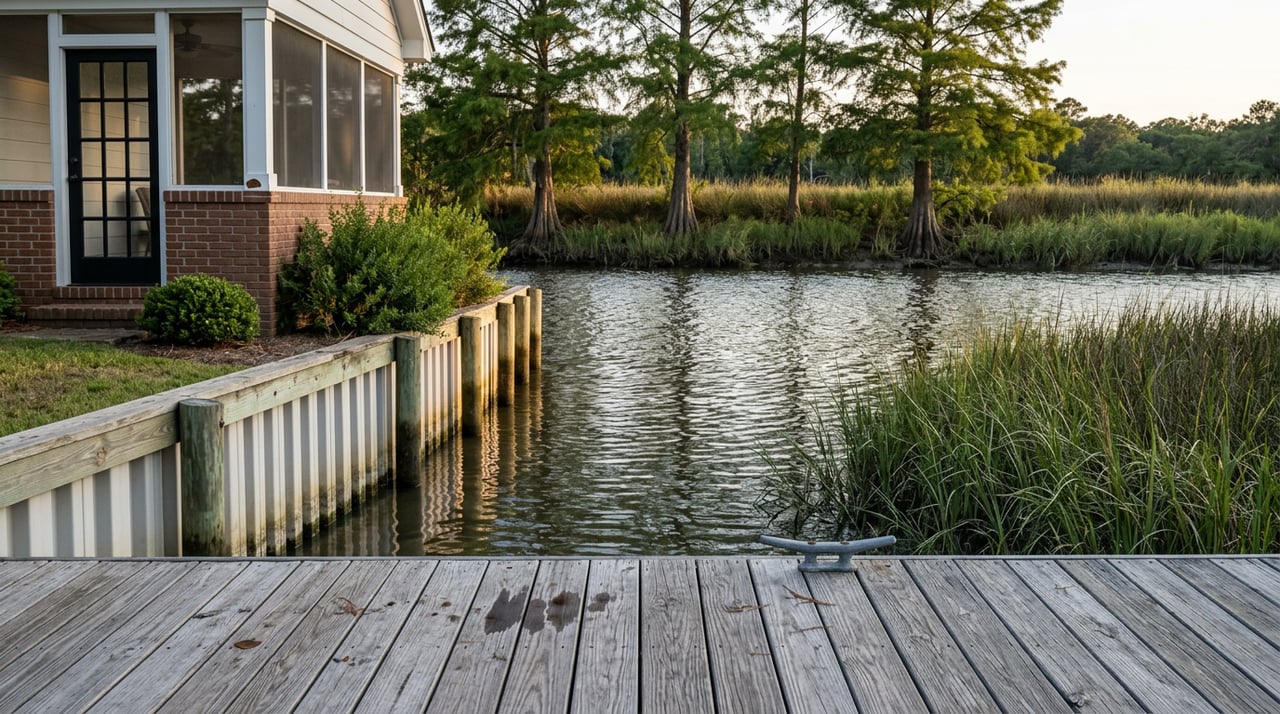
Chesapeake sits in the Hampton Roads region with salt and brackish water, higher tidal action, and marine borers. These conditions increase maintenance and influence material choices compared to inland lakes. Storms and sea-level rise trends also affect long-term costs and repair frequency.
In Chesapeake’s tidal waters, permits are typically required. The Virginia Marine Resources Commission oversees structures seaward of mean low water. The City of Chesapeake may add zoning or building reviews. If work affects wetlands, submerged aquatic vegetation, or shellfish areas, extra steps or mitigation can apply. For certain navigable waters or sensitive impacts, federal permits may be needed. Expect application fees, surveys or site plans, and scheduling windows that can extend timelines by weeks to months.
Pressure-treated wood is budget friendly but needs frequent maintenance in salt and brackish environments. Marine borers and constant wet-dry cycles shorten its life if not maintained. Tropical hardwoods offer better durability with a higher upfront cost, but still require periodic care.
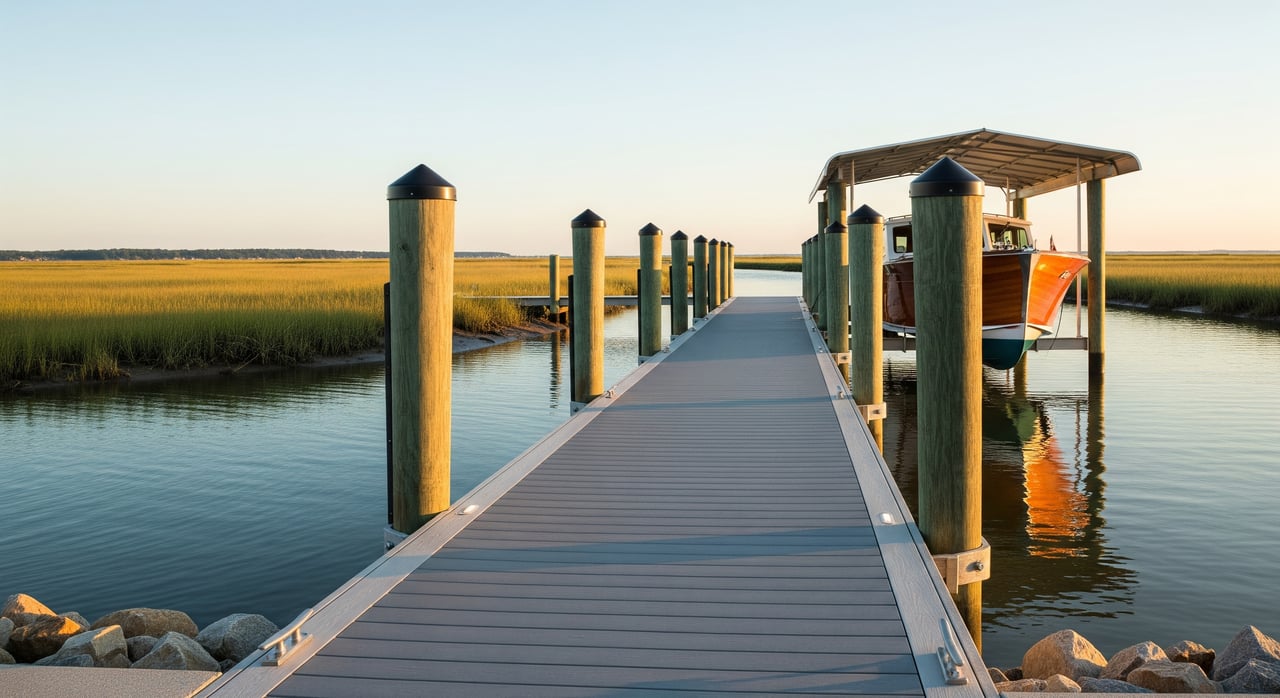
Composite decking costs more upfront but resists rot and reduces routine maintenance. Structural framing, fasteners, and connections still need inspections. Aluminum framing resists corrosion when paired with the right hardware. Use stainless or properly galvanized fasteners to reduce corrosion.
Marine-grade floats, UV-stable components, and quality cleats, brackets, and connectors reduce long-term headaches. Check for galvanic corrosion when different metals contact each other in saltwater.
Actual pricing depends on length, water depth, substrate, required equipment, materials, and permit complexity. Site-specific quotes from licensed marine contractors are essential.
Personal watercraft lifts are usually in the low thousands. Mid-size residential boat lifts tend to range from several thousand to tens of thousands depending on capacity and features. Larger or covered systems, automation, and higher weight ratings increase the price.
Follow manufacturer schedules for motors, gearboxes, cables, and drive components. Inspect electrical connections and ensure proper protection. Seasonal procedures help in winter and during storm season. Lifts often last 10 to 25 or more years with care, though mechanical and electrical parts usually need replacement sooner than the structure.
Conduct homeowner visual checks seasonally and after storms. Order a professional structural inspection every 1 to 5 years based on age and exposure. Inspectors review piling embedment and scour, cross-bracing, ledger and connections, deck condition, floats and attachment points, lift supports, and electrical safety.
Watch for repeated loose fasteners, sagging or spongy decking, visible rot, shifting or tilting pilings, and noticeable changes in deck elevation relative to water level. Severe corrosion on connections or frequent post-storm repairs can indicate design or material limits.
Set a sinking fund for future repairs and replacement. Saving 1 to 3 percent of replacement cost per year is a common approach for structures with regular wear. For example, if a dock and lift would cost $60,000 to replace today, setting aside $1,200 to $3,000 each year helps prepare for major work. Consider inflation and plan for permit-driven upgrades over time.
Homeowner policies may limit coverage for docks or require endorsements. Flood insurance can be important if you are in a FEMA flood zone. Docks can increase liability exposure, so confirm limits and consider umbrella coverage if you expect frequent guests. Policies vary on storm damage coverage, so read the language closely.
Salt spray accelerates corrosion, and marine borers target untreated or aging wood. Storms can scour around pilings and shift structures. Sea-level trends and stronger storm patterns in the Mid-Atlantic make resilience planning worthwhile. Consider higher freeboard, breakaway or hybrid sections, and shoreline stabilization such as bulkhead work or riprap where appropriate.
A well-designed, well-maintained dock with an appropriately sized lift can be a strong lifestyle asset for boaters and paddlers. When buying, review maintenance records, materials, and past permit documents as part of due diligence. Factor near-term repair needs and a realistic reserve into your total cost of ownership. Thoughtful design and upkeep can support long-term enjoyment and resale value.
Ready to evaluate a waterfront property with clarity and confidence? As local waterfront experts, we help you weigh dock design, maintenance expectations, and long-term ownership costs alongside the home and location. Reach out to the team at 4 Oceans Real Estate Group LLC to discuss your goals.
Stay up to date on the latest real estate trends.